
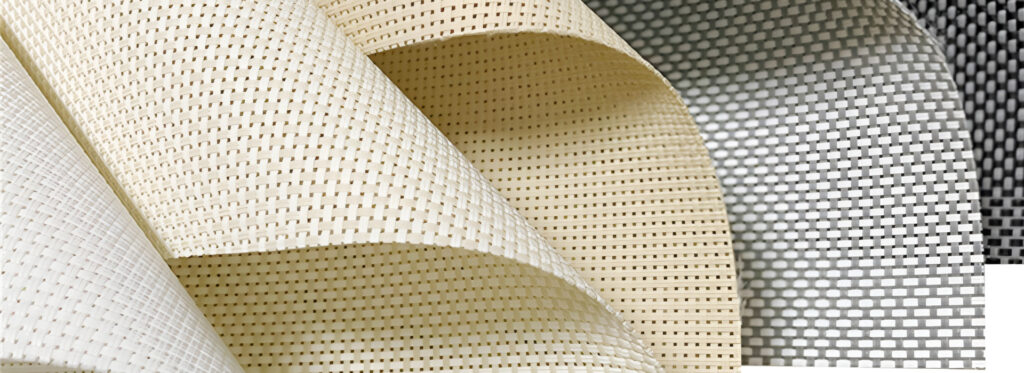
Morning light coming through a window can be a beautiful way to start the day… until that unavoidable glare hits your eyes or the room starts to turn into a sauna.
Balancing brightness with privacy often comes down to two choices:
- Blockout fabrics
- Sunscreen fabrics
Each material shapes light, temperature, and ambience differently, giving homeowners a chance to personalise every space with precision.
In this guide, you’ll learn about both types of window covering and their advantages across everyday applications. From practical comparison points to aesthetic decisions, we cover it all (pun intended).
|
Blockout Fabrics
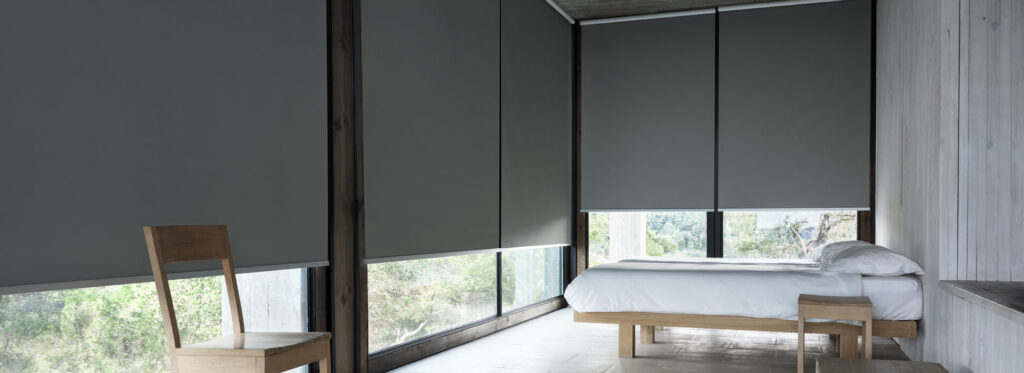
Blockout materials create complete darkness, making them a popular choice for spaces needing privacy or rest. Their dense weave prevents sunlight penetration, enhancing insulation and temperature control.
Designed to maintain consistent indoor comfort, this style helps reduce glare on screens and protects furniture from fading due to UV rays.
Pros
- Provides full light blockage for optimal sleep and privacy
- Enhances energy efficiency through superior insulation
- Reduces glare on televisions, computers, and devices
- Protects interiors from UV exposure and fading
- Delivers better sound absorption in enclosed rooms
- Offers a sleek, uniform appearance suitable for modern homes
Cons
- Eliminates outdoor views completely
- Can create a darker atmosphere even when partially raised
- May require more frequent cleaning to maintain appearance
- Retains heat during warmer months if not combined with ventilation
- Costs are slightly higher when paired with quality mechanisms
Sunscreen Fabrics
Sunscreen materials strike a balance between comfort and openness. They filter sunlight, allowing outside visibility without harsh brightness.
Woven using advanced fibres, these coverings limit UV rays while reducing glare, supporting cool interiors throughout Queensland’s warm climate.
Pros
- Maintains scenic outlooks while softening daylight
- Reduces heat gain for cooler living areas
- Minimises glare without darkening interiors
- Prevents fading on flooring and furniture
- Pairs effectively with dual systems for flexible control
- Durable construction suited to coastal humidity
Cons
- Provides less privacy at night with indoor lighting
- Allows limited heat transfer compared with blockout
- Requires precise measurement to avoid edge light gaps
- Less effective for full blackout needs like media rooms
- Colour selection can influence glare level and transparency
Finding the Right Fit: A Practical Comparison
Efficiency
One design delivers superior performance under low-light conditions, ensuring total control over brightness and temperature. Dense material layers prevent warmth from escaping during cooler months, maintaining thermal stability.
The second setup functions better where daylight balance matters. By diffusing sunlight, it reduces glare and stabilises interior temperatures, which can significantly improve comfort during long Sunshine Coast summers.
Cost
Price differences stem from composition and coating density. The first model often commands a slightly higher investment because of its multi-layer construction and insulation properties.
Meanwhile, this alternative stays cost-friendly for larger window spans, offering homeowners a flexible solution that achieves impressive functionality without stretching budgets.
Durability and Lifespan
Quality build determines endurance. The heavier weave of the first option stands firm against long-term wear, maintaining structure for many years.
The other system uses durable synthetic threads designed to withstand salt-laden coastal air, helping to resist fading or fraying even with consistent exposure to sunlight.
Aesthetics
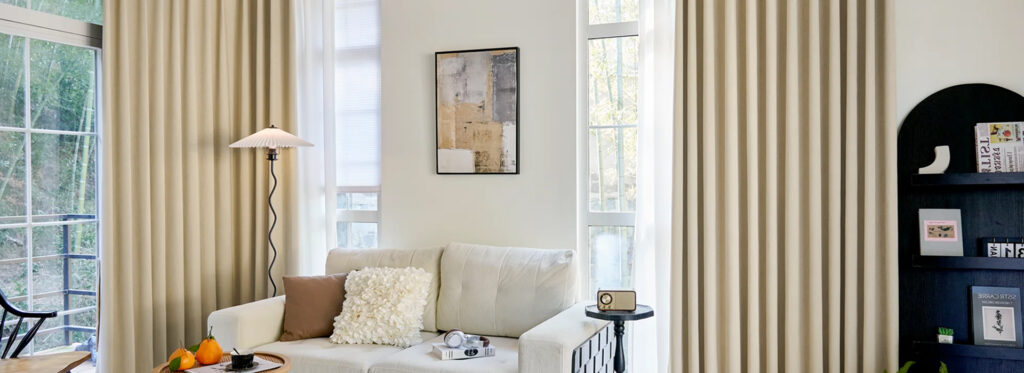
Visual appeal defines a space as much as function. The denser variety presents smooth continuity, perfect for minimalist or modern interiors.
That counterpart leans toward openness—its semi-transparent quality adds a sense of depth and movement to any room, creating an elegant yet relaxed vibe suited to seaside homes.
Environmental Impact
Sustainability plays an increasing role in home design. Heavier fabrics support efficient climate regulation, cutting the need for heating and cooling appliances.
The lighter version contributes through natural illumination, reducing reliance on artificial lighting while still protecting from UV exposure—both pathways aligning with environmentally conscious living.
Privacy and Light Control
Different households value different levels of seclusion. The fully opaque form eliminates visibility, providing maximum concealment at all hours.
A lighter weave maintains a visual link to outdoor spaces but can become see-through when indoor lights glow at night. Combining both in dual systems often delivers the best of each—privacy when required, openness when desired.
Maintenance and Care
Heavier cloths benefit from periodic dusting or vacuuming to retain their crisp look, whereas the more open weave rarely traps particles and can be wiped clean easily. Proper care extends lifespan and keeps functionality consistent over the years.
| Factor | Blockout Fabrics | Sunscreen Fabrics |
| Efficiency | High insulation value, ideal for temperature control | Effective light filtering and glare reduction |
| Cost | Slightly higher upfront due to heavier materials | More affordable with versatile pricing |
| Durability & Lifespan | Long-lasting when properly maintained | Resistant to UV and coastal humidity |
| Aesthetics | Clean, minimalist finish | Sheer texture that softens interiors |
| Environmental Impact | Reduces reliance on artificial heating/cooling | Allows natural light, lowering electricity use |
| Privacy | Complete coverage during day and night | Clearer outward view, limited night privacy |
| Maintenance | Requires gentle cleaning to avoid dust marks | Easy care, minimal upkeep needed |
| Suitability | Best for bedrooms, media rooms | Ideal for living areas, kitchens, offices |
Choosing the Ideal Fit for Your Space
Bedrooms and Media Rooms
Blockout fabrics shine in restful environments where darkness matters most. Their dense structure eliminates outside light, creating ideal conditions for sleep or movie time.
For bedrooms overlooking bright streetlights or homes near the coast where early morning sun filters strongly, complete opacity ensures privacy and consistent rest.
Living Areas and Open Spaces
Sunscreen fabrics excel in shared zones like lounges, kitchens, and dining areas. They allow soft daylight to stream through without harsh glare, preserving coastal views while maintaining comfort.
This configuration helps spaces feel open and airy while subtly moderating heat — a perfect balance for everyday living.
Home Offices and Work Zones
In workspaces where screen visibility is crucial, filtered illumination becomes essential. The lighter weave found in sunscreen materials reduces glare on monitors and paperwork while still connecting the occupant to the outdoors.
For high-focus rooms needing brightness without distraction, this option delivers clarity and composure.
Media, Theatre and Entertainment Rooms
Total darkness enhances picture quality and contrast, making blockout styles the better pick for media setups.
Their ability to prevent reflections across glossy screens ensures uninterrupted viewing — ideal for movie nights, gaming sessions, or professional editing environments.
Coastal or West-Facing Windows
Homes facing harsh afternoon sunlight benefit from sunscreen materials that manage radiant heat while keeping external visibility intact.
Their reflective fibres assist in deflecting strong rays, protecting interiors from prolonged exposure and extending furniture lifespan. For homeowners valuing sea views without the heat burden, this design keeps both in harmony.
Multi-Functional Areas
Spaces serving dual purposes — guest rooms doubling as home offices, for instance — often require flexibility. Combining both materials within a dual-roller setup offers full versatility: blackout conditions for rest, soft-filtered light for day use.
This hybrid installation maximises usability and aesthetic appeal while adapting to changing needs.
Final Thoughts: Finding Balance Between Comfort and Control
Blockout materials deliver superior privacy, temperature control, and total light exclusion—making them a standout for bedrooms, nurseries, and theatre rooms.
Their dense weave enhances energy efficiency and shields interiors from UV damage, but this same strength limits outward visibility and can darken living areas even when partially opened.
Sunscreen varieties prioritise openness and ambience. They filter daylight, reduce glare, and protect furnishings while maintaining scenic views of Sunshine Coast surroundings.
However, their transparency can compromise nighttime privacy unless paired with a secondary blind or curtain.
When deciding which suits your home best, consider:
- Daily light preference: Choose full coverage for restful or media spaces; filtered light for airy, shared rooms.
- Orientation and exposure: West-facing or coastal windows often benefit from UV-filtering designs.
- Energy priorities: For insulation and temperature control, heavier weaves perform better.
- Aesthetic goals: Match textures and tones to your interior vision—minimalist or breezy coastal.
Experience Sunshine Coast’s Trusted Window Specialists
With more than 15 years of craftsmanship and 98% of products made locally, iQ Shutters helps homeowners create spaces that feel cooler, calmer, and effortlessly stylish.
From free quotes within 24 hours to a showroom open to the public in Kunda Park, every interaction reflects the company’s dedication to quality, precision, and genuine customer care.
Whether upgrading a single room or planning a full home transformation, our team will guide you toward the perfect fabric, finish, and fit for your lifestyle.
Contact iQ Shutters today for personalised advice or a free measure and quote.
