
Get Your FREE Quote






Products
Ever opened your windows on a warm Sunshine Coast evening, only to have a swarm of mosquitoes follow the breeze inside?
Living on the coast means balancing the desire for a cross-breeze with the reality of salt air, high humidity, and persistent pests. Traditional window coverings often fail this test, either blocking the airflow you crave or letting the insects win.
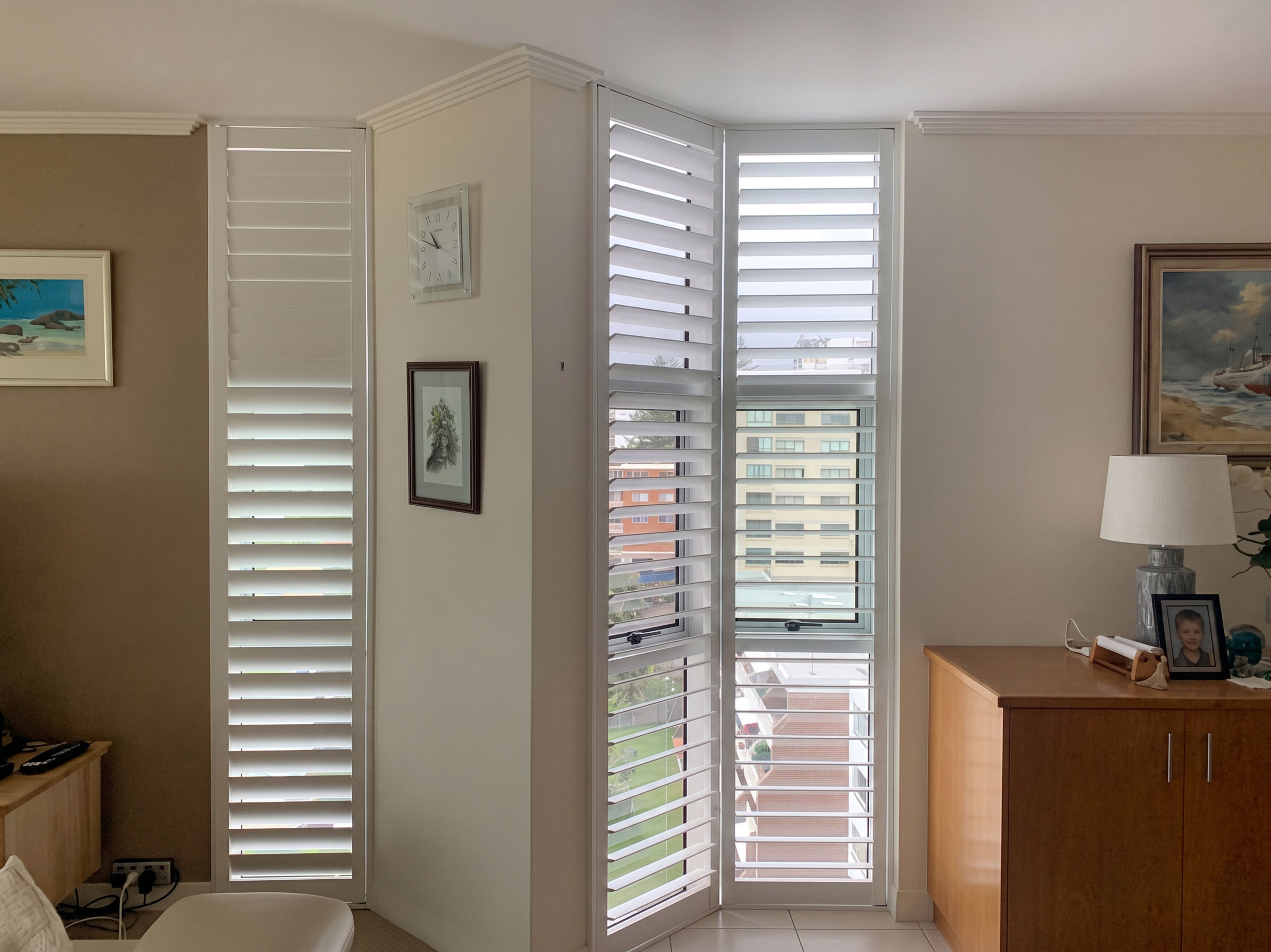
Flyscreen Shutters are the best of both worlds solution, engineered to allow cooling breezes to circulate freely while creating an impenetrable, durable barrier against pests and debris.
At iQ Shutters, we’ve spent over 15 years perfecting locally made solutions that thrive in Queensland’s unique environment:
Whether you’re looking to protect a seaside balcony or secure a bedroom window against the evening mozzie rush, we have the technical expertise to get it right.
Ready to enjoy the breeze without the bite? Contact the iQ Shutters team today for a free on-site measure.
On this Page:
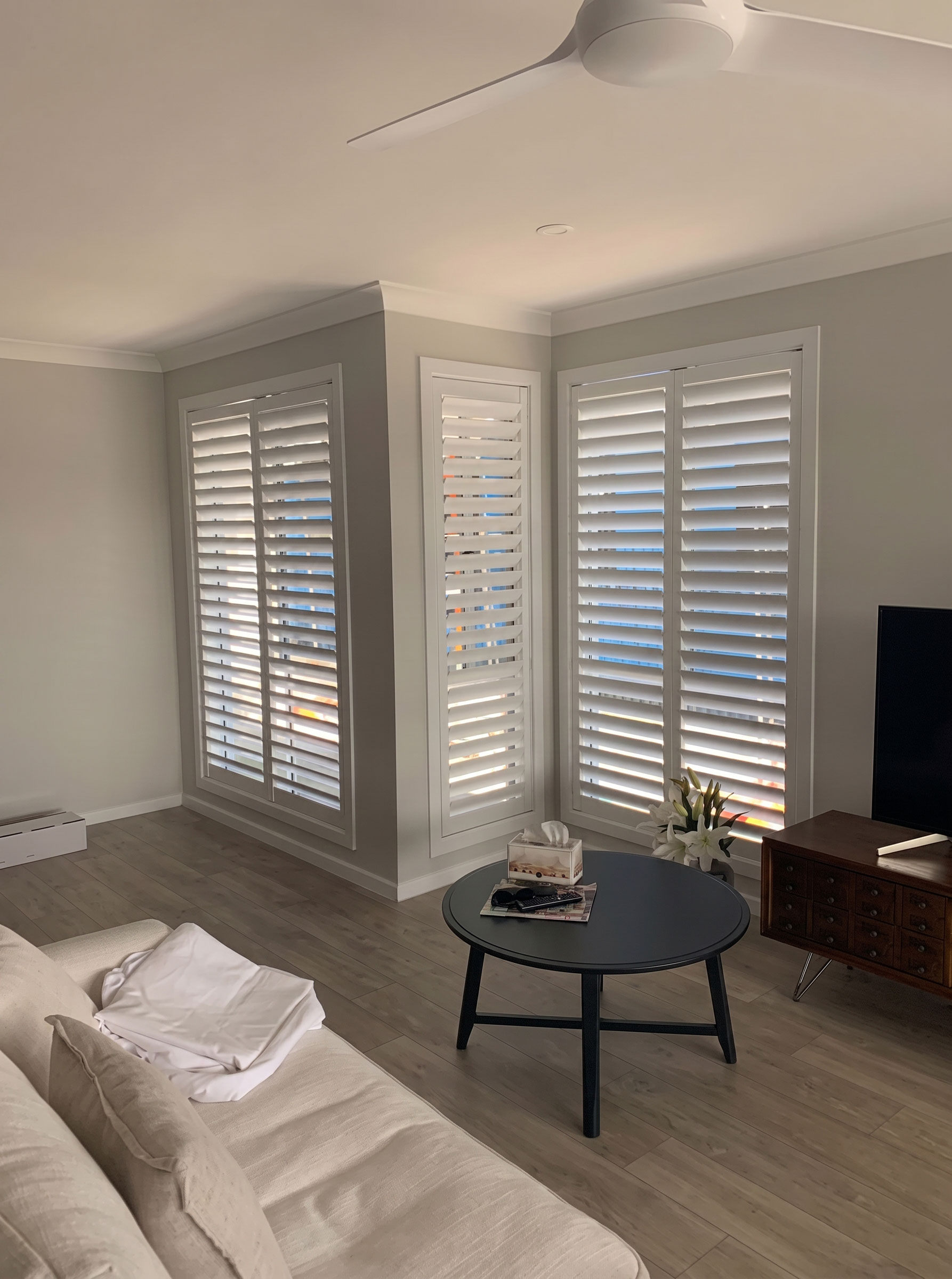
Traditional hinged formats operate similarly to doors or plantation panels. Panels swing outward or inward, making them practical for windows, patio entrances, or verandahs where easy access matters.
Adjustable blades or fixed screening allow breeze flow while keeping insects outside. Many Sunshine Coast properties favour this option for its classic appearance and straightforward operation.
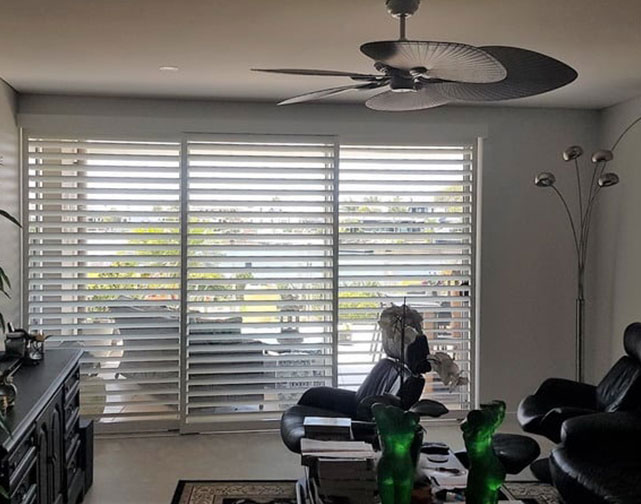
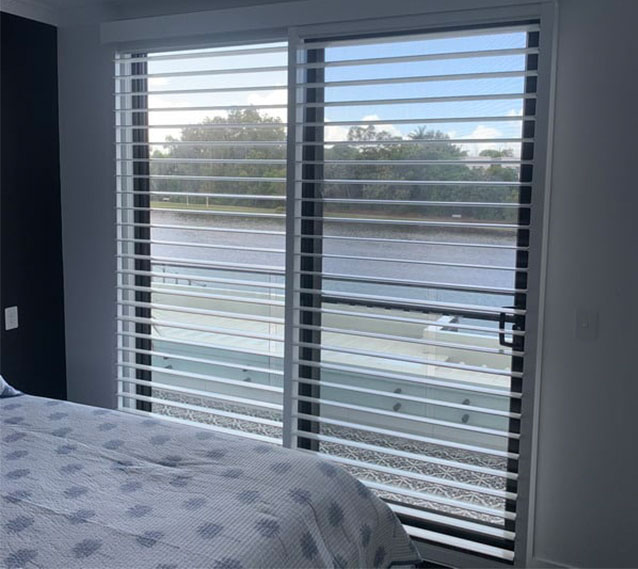
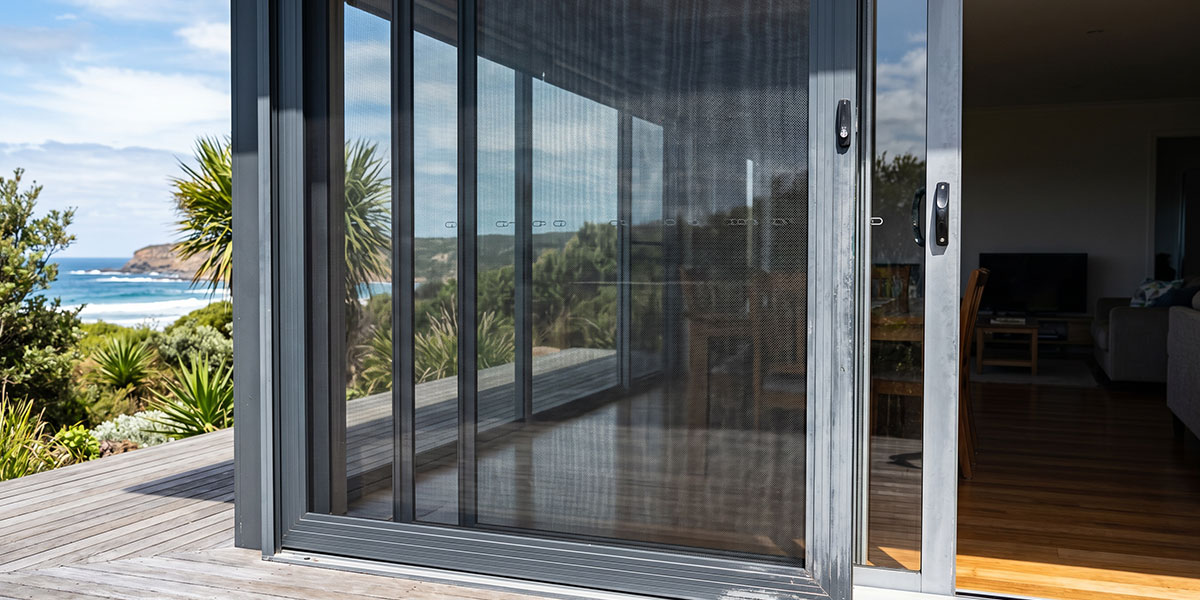
Sliding versions suit wide openings such as alfresco areas or large glass doors. Panels glide along tracks rather than swinging, allowing smooth movement without occupying interior space.
Contemporary homes frequently choose this format for seamless indoor–outdoor living zones, especially where furniture placement limits hinged movement.
Fixed panels remain stationary, providing constant ventilation and protection. This configuration works well for high windows, stairwells, or architectural features where regular access is unnecessary.
Many homeowners select this option to maintain airflow while preserving uninterrupted views and architectural symmetry.
Bi-fold arrangements fold multiple panels neatly to one side, opening large spaces quickly. Entertaining areas, balconies, and expansive patios benefit from this style because panels stack compactly while still delivering insect protection when closed.
Adjustable louvre models combine screening with movable blades that regulate sunlight and airflow. Residents living near the coast often appreciate this flexibility, allowing cooling breezes during summer while reducing glare or rain exposure during changing weather conditions.
Every project is custom-measured, so pricing is calculated individually rather than taken from a fixed list. Frames, hardware quality, and corrosion-resistant finishes designed for coastal environments all influence the final figure.
Below is a general price guide:
| Installation Type | Typical Cost Bracket | Notes |
| Small window panels | $350 – $700 per opening | Ideal for bedrooms, bathrooms, or smaller windows |
| Medium window or door panels | $700 – $1,200 per opening | Common for living rooms and sliding doors |
| Large outdoor openings | $1,200 – $2,500+ per section | Suitable for patios, alfresco spaces, or wide glass areas |
| Custom installations | $2,500 – $5,000+ | Large spans, complex designs, or specialty finishes |
Several factors influence the final price:
Open windows without worrying about insects entering living spaces. Screened panels encourage steady natural ventilation, helping indoor areas stay cooler and fresher during warmer coastal months. Fresh breezes moving through living zones reduce reliance on artificial cooling while creating a more comfortable environment.
Warm evenings become far more enjoyable when windows and doors remain open. Outdoor air flows freely while bugs remain outside. Family dinners, relaxing afternoons, or entertaining friends on the patio feel more pleasant without constant swatting or shutting windows.
Natural airflow allows many homes to stay comfortable without running cooling systems all day. That change often leads to noticeable energy savings during Queensland’s hotter seasons. Improved ventilation also reduces stuffiness caused by trapped heat.
Mesh screening creates a barrier against leaves, wind-blown debris, and small animals. Coastal properties often experience sudden gusts or storms, so screened panels help keep indoor spaces cleaner and reduce time spent sweeping floors or wiping surfaces.
Carefully positioned screening allows daylight to enter rooms while still creating visual separation from outside areas. Homeowners enjoy bright interiors without feeling exposed to neighbours or passers-by.
Well-fitted window systems improve both practicality and presentation. Clean lines, modern finishes, and durable construction contribute to a polished appearance that complements contemporary Sunshine Coast architecture.
A technician visits the property to examine window or doorway dimensions, surrounding wall structure, and mounting points. Accurate measuring tools capture height, width, reveal depth, and any irregular angles. That assessment ensures panels suit both architectural layout and airflow requirements.
After measurements are confirmed, specialists design panels tailored to the opening. Frame dimensions, screening type, hinge position, and finish colours are selected to match the home’s style. Fabrication then takes place using durable materials suited for Queensland’s humid coastal environment.
Before fitting begins, installers prepare the area by checking wall strength, fixing points, and alignment. Old coverings may be removed if required, and mounting surfaces are cleaned to ensure strong anchoring for brackets or tracks.
Technicians secure frames, hinges, or sliding tracks to the structure. Panels are carefully positioned, levelled, and adjusted so movement remains smooth and balanced. Precision alignment prevents rubbing, sagging, or uneven gaps.
Once panels are secured, the team opens and closes each section several times to confirm correct movement. Adjustments fine-tune hinges, track tension, or louvre angles so airflow control functions properly.
A final check confirms stability, safety, and clean finishing. Homeowners receive guidance on operation, care routines, and simple maintenance practices that help preserve performance for years to come.
Yes. Well-designed flyscreen shutters are specifically built to allow fresh air to circulate through a home while preventing insects from entering. Fine mesh screening acts as a physical barrier that blocks common pests such as mosquitoes, midges, and flies, while still permitting natural breezes to pass through.
Sunshine Coast homes benefit greatly from this balance. Warm coastal evenings often encourage residents to open windows or patio doors to cool indoor spaces. Without screening, insects can quickly find their way inside. Screened shutter panels solve that problem by creating a ventilated layer between outdoor areas and living spaces.
Mesh material contains thousands of tiny openings that allow air movement but remain small enough to stop most insects. Adjustable shutter blades or panels can also regulate how much airflow enters a room. When positioned correctly, this design encourages cross-ventilation, helping reduce heat build-up and improving indoor comfort.
Yes. Flyscreen shutters are particularly well-suited to coastal homes across the Sunshine Coast. Properties located near the ocean face unique environmental conditions, including salt-laden air, strong sunlight, humidity, and seasonal storms.
Properly designed screened shutter systems handle these conditions while still providing ventilation and insect protection.
Yes, in many cases, flyscreen shutters can contribute to both insect control and a basic level of household security. While their primary purpose involves ventilation and pest protection, certain designs incorporate stronger frames, durable screening materials, and secure mounting systems that enhance overall safety around windows and doors.
Many shutter systems use aluminium frames with reinforced corners and stainless-steel fittings. These materials provide significantly greater strength than traditional insect screens. A solid frame makes panels harder to force open and improves long-term durability, particularly in coastal environments where corrosion can weaken cheaper materials.
Some shutter formats include integrated locks, latch systems, or keyed handles. Once secured, these components help prevent panels from being opened from the outside. That feature adds an extra layer of protection while still allowing airflow through screened sections.
Screened panels maintain outward visibility during the day. Clear sightlines across outdoor areas allow homeowners to monitor entrances, gardens, or patios while remaining indoors. Maintaining that visual connection can contribute to a greater sense of security.
In homes requiring higher protection levels, screened shutters can work alongside purpose-built security screens. This combination allows residents to maintain insect protection, ventilation, and strong entry barriers simultaneously.
Yes. Well-designed flyscreen shutters allow homeowners to maintain privacy while still enjoying bright, naturally lit interiors. Screened panels combine mesh barriers with adjustable blades or carefully spaced framing that softens visibility from outside without completely blocking daylight.
Yes. Flyscreen shutters can be fitted to sliding doors, outdoor entertaining areas, patios, and other wide openings. Modern shutter systems are designed with flexible panel configurations that allow large spaces to remain functional while still benefiting from airflow and insect protection.
Yes. Well-designed flyscreen shutters are built for simple daily operation, allowing homeowners to adjust ventilation and access without effort. Smooth-moving hinges, sliding tracks, or folding mechanisms ensure panels open and close easily, even when used multiple times throughout the day.
No. Flyscreen shutters are generally low-maintenance and require only simple, occasional cleaning to keep them functioning and looking their best. Modern shutter systems use durable materials designed to handle everyday exposure to sunlight, dust, and coastal air, making upkeep straightforward for homeowners.
Flyscreen shutters are designed to perform reliably in Queensland’s challenging environment. Sunshine Coast properties experience intense UV exposure, high humidity, salty breezes, and occasional storms. Quality materials and thoughtful engineering allow modern shutter systems to withstand these conditions for many years.
Many coastal shutter systems use aluminium frames because this material naturally resists rust. Unlike untreated steel or lower-grade metals, aluminium maintains structural strength even when exposed to salty air carried inland by ocean winds.
Hinges, screws, and fixings made from stainless steel are commonly used in premium shutter systems. Stainless fittings minimise corrosion in humid coastal climates and help maintain smooth operation over time.
High-quality powder coating forms a protective outer layer that shields the frame from harsh sunlight and moisture. This finish helps prevent fading, chipping, and surface deterioration caused by Queensland’s strong UV levels.
Shutters manufactured with durable materials and proper finishes can maintain performance for decades with basic care. Aluminium shutters from iQ Shutters include a 25-year construction warranty and a 10-year powder-coat warranty, reflecting their long-term durability in outdoor environments.

The service was great, it was so easy!…Very good staff, and everything got done quickly. It looks great, I love it. Very happy with iQ Shutters!
– Anne and Peter Edwards

 iQ Shutters